

Blended intensive program (BIP) “Municipalism and Urban Development”
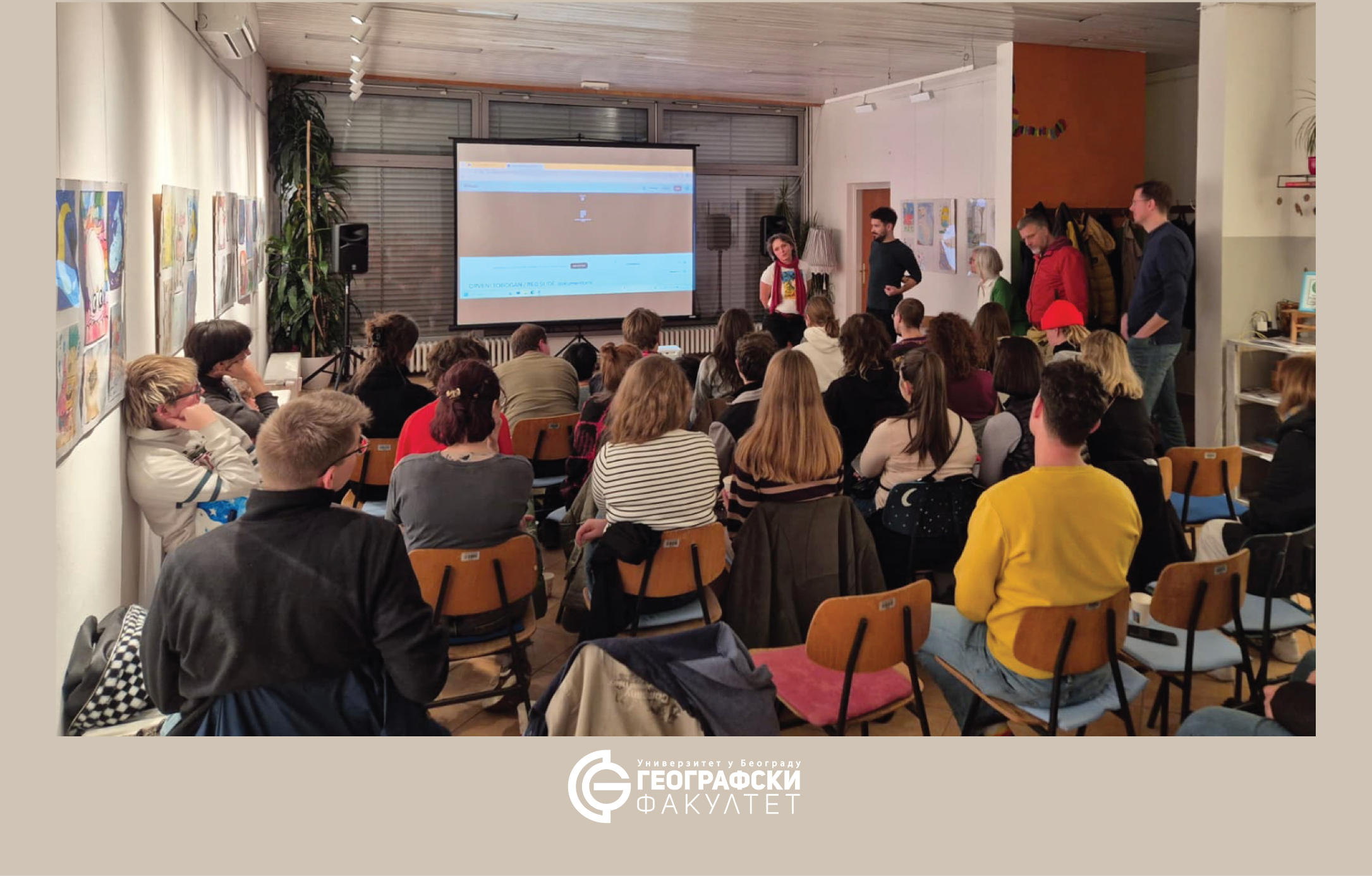
During the period from November 2 to 9, 2025, the physical component of the BIP program titled “Municipalism and Urban Development” was successfully held in the City of Zagreb, Croatia. This international educational initiative was organised and implemented through the collaboration of three institutions: the Faculty of Political Science of the University of Zagreb, Bauhaus University Weimar, and the University of Belgrade Faculty of Geography.
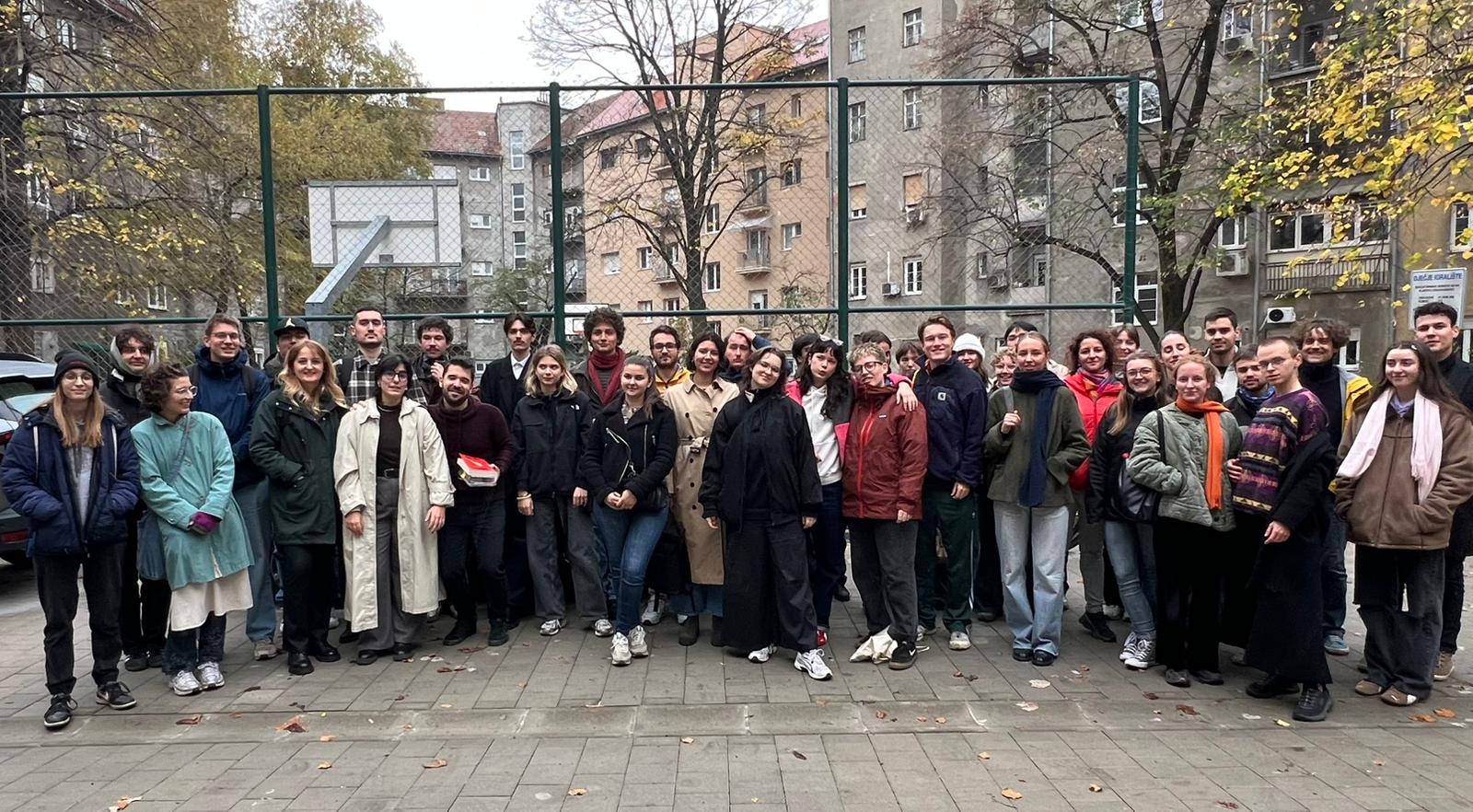
The program brought together 38 students and three lecturers from the three partner institutions, fostering an interdisciplinary academic environment. Representing the Faculty of Geography, University of Belgrade, were Bachelor students of Spatial Planning – Sofija Jovanović, Emina Lazarević, and Matija Tadić – and PhD students of Geoscience – Marko Petrović and Mirko Ivanović, who participated under the expert mentorship of Assistant Professors, PhD Milana Toković and PhD Bojana Pjanović from the Department of Spatial Planning.
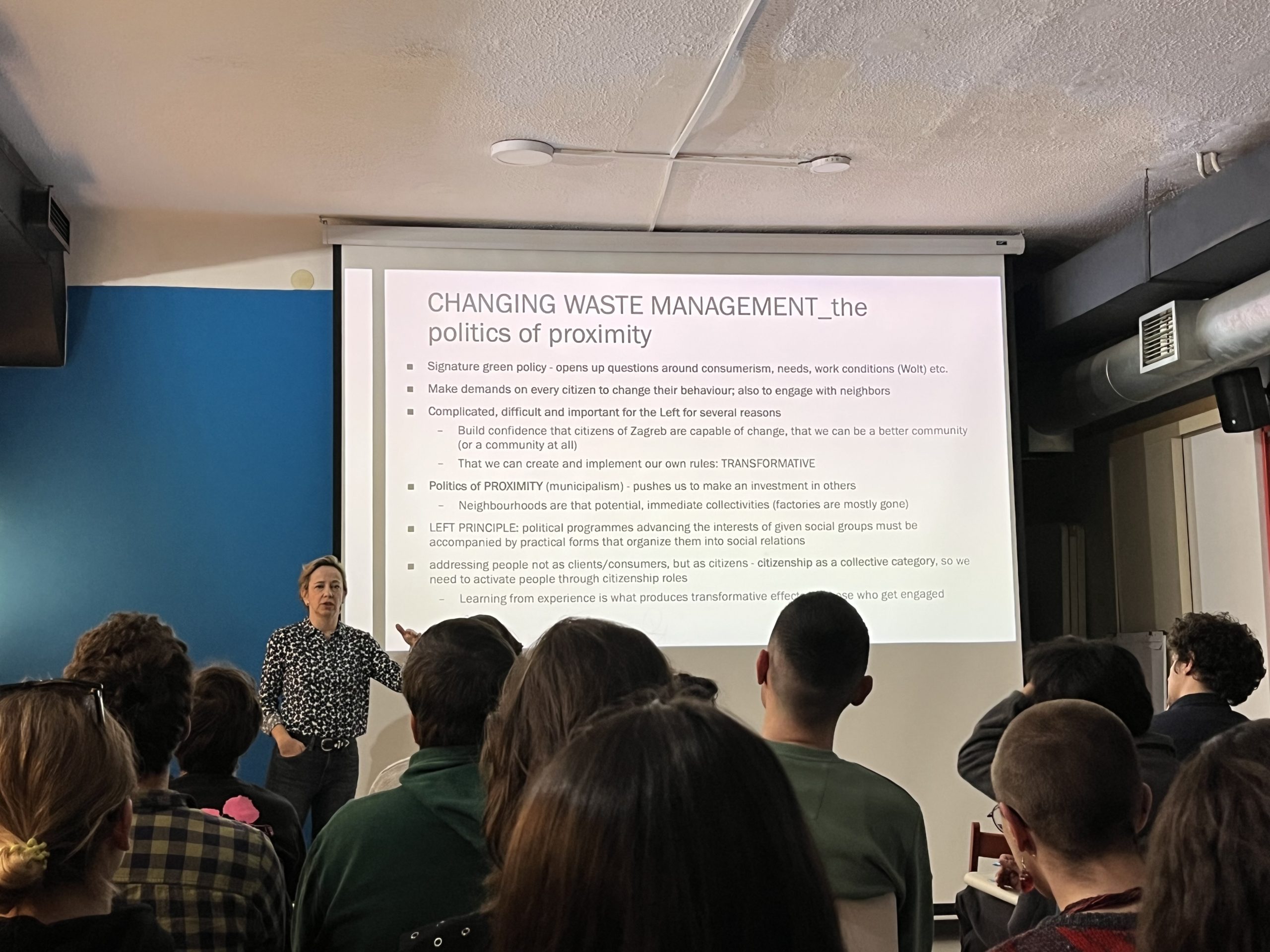
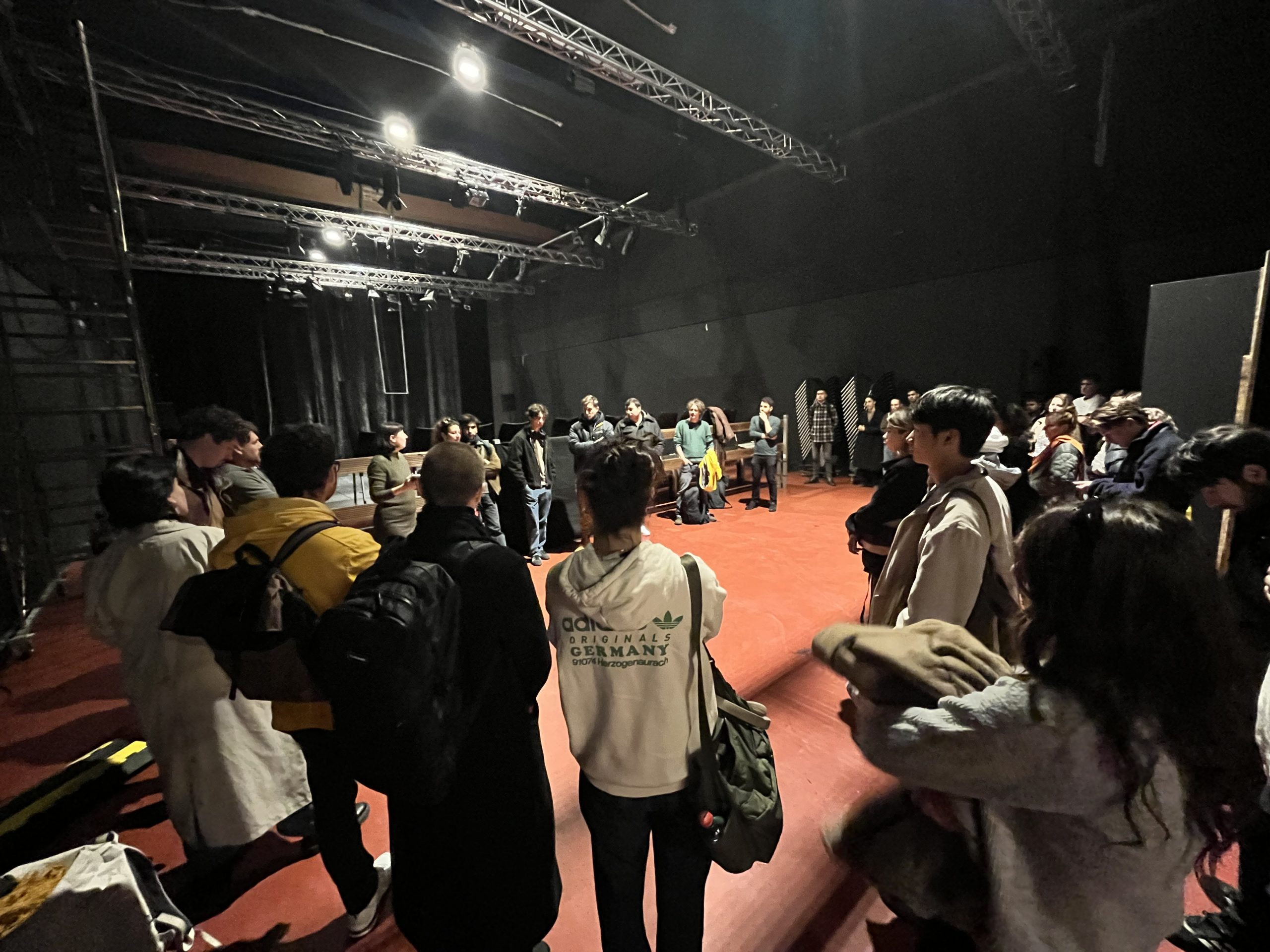
Throughout the intensive programme, students engaged in a rich combination of lectures, discussions, research activities, and fieldwork. They explored the development and practice of municipalism in Zagreb, examining positive examples of its influence on urban planning and development. Through direct interaction with local communities, participants gained valuable insight into their capacities for spatial management and their position within the city administration structure.
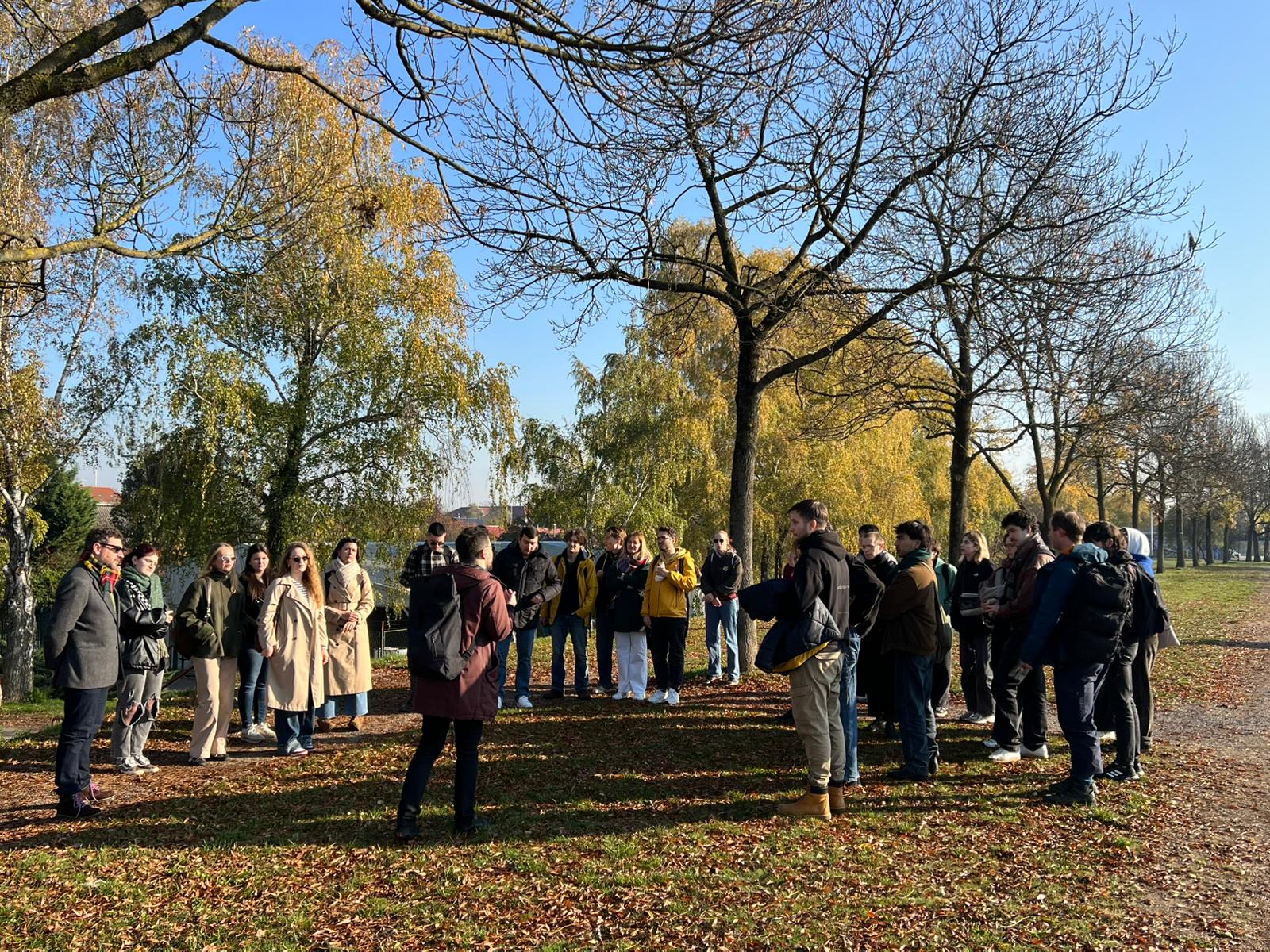
Field visits to diverse neighbourhoods and areas along the Sava River provided a firsthand understanding of current development trends, urban pressures, construction activities, and heritage preservation efforts. The program addressed pressing urban challenges, including housing, migration, cultural development, waste management, and the protection of public spaces, squares, and parks through the lens of municipalism, community organising, and collective action. These themes were explored with particular emphasis on promoting social equality and advancing sustainable urban development.
The program concluded with students developing their own action model proposals, demonstrating the practical application of the knowledge gained and the potential for innovative approaches to urban governance and community engagement.